



Preparing Your Western New York Home for Professional Hardwood or Carpet Installation
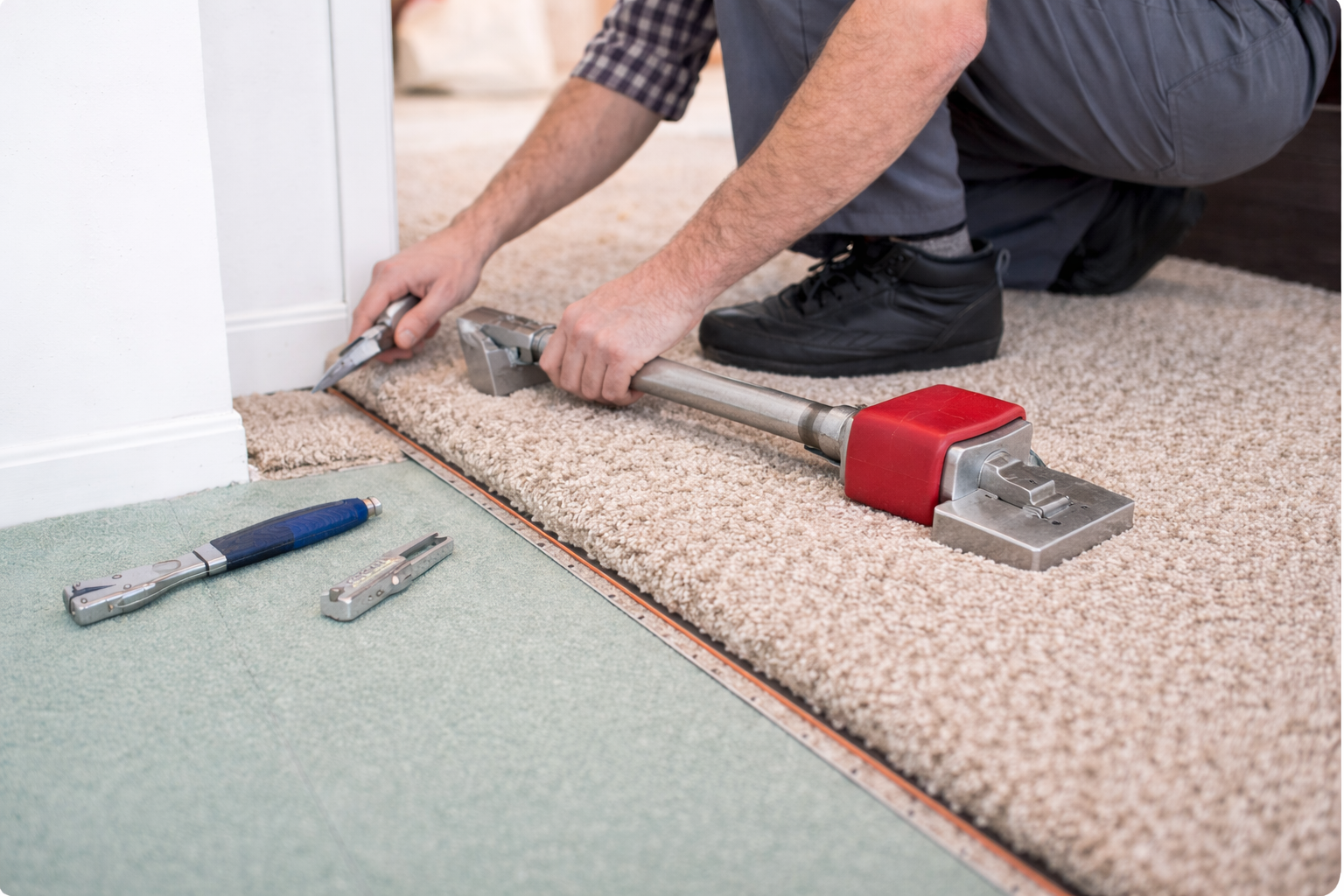 Preparing Your Western New York Home for Professional Hardwood or Carpet Installation
Ordering new hardwood or carpet is an exciting milestone, yet the days leading up to installation play a major role in how smoothly your project unfolds. Whether you are updating a cozy ranch in Tonawanda, a family home in Orchard Park, or a lake-area property near Jamestown, thoughtful preparation protects your belongings, prevents scheduling delays, and ensures your new floors perform properly from day one.
Acclimating Hardwood Before Installation Day
Unlike carpet, natural hardwood must adjust to the specific temperature and humidity inside your home before a single plank is nailed or glued down. Western New York’s seasonal shifts—from crisp, dry winter air to humid summer afternoons—make proper acclimation non-negotiable.
Typically, solid and engineered hardwood cartons should be delivered to the installation room at least three to five days in advance (or according to the manufacturer’s exact specification). Keep your home’s HVAC system running at normal everyday living conditions—generally between 60°F and 75°F with relative humidity between 35% and 55%. Never store hardwood boxes in an unheated garage, damp basement, or enclosed porch prior to installation, as rapid moisture changes can warp boards before they are even unboxed.
Clearing Rooms and Protecting Adjacent Spaces
A clear workspace allows installation crews to focus on precision cuts, subfloor leveling, and clean seam placement rather than navigating around fragile items. Before your crew arrives, complete these straightforward steps:
- Remove small items and breakables: Clear books, electronics, lamps, wall art, and closet floor items so nothing can be jostled during subfloor prep or stretching.
- Disconnect electronics and cords: Unplug televisions, computers, and gaming systems, and coil cables neatly out of the way.
- Check door clearances: Plush new carpet with dense padding or thicker hardwood planks can raise floor height slightly. Ask your estimator ahead of time whether interior or closet doors may need minor trimming after installation.
- Plan for pets and kids: Power tools, tack strips, and open exterior doors make installation zones unsafe for curious pets and young children. Set up a comfortable, closed-off room away from the work area.
Planning Around Western New York Weather
In Buffalo, Niagara Falls, and Olean, weather can turn quickly between November and April. Clearing snow and ice from driveways, front walkways, and entry steps gives installers safe footing while carrying heavy wood bundles, carpet rolls, and tools inside. Laying down protective drop cloths or old towels in your main entryway also prevents slush and road salt from being tracked onto adjacent floors during material load-in.
What to Expect on Installation Day
When your installers arrive, take a few minutes to walk through the project together. Confirm plank direction, transition strip locations, and furniture moving arrangements before work begins. Once installation wraps up, do a final walkthrough to inspect seams, trim work, and transitions while the crew is still on-site.
At Custom Carpet Centers, clear communication and respect for your home are built into every step of our process—backed by our Callahan Promise for worry-free workmanship. Learn more about who we are and how we serve Western New York homeowners from initial measurement through final cleanup. Whether you are preparing for a single-room carpet refresh or a whole-home hardwood transformation, connect with your nearest team through our Western New York locations page—including Shop at Home service in Olean—to get your project scheduled with confidence.
For more flooring maintenance and preparation insights for Buffalo and Western New York homeowners, watch Winter Flooring Care Tips for Western New York Homes, which highlights practical ways to protect residential floors from seasonal wear.