

The Best Area Rug Fibers for Homes with Radiant Heat in Western New York
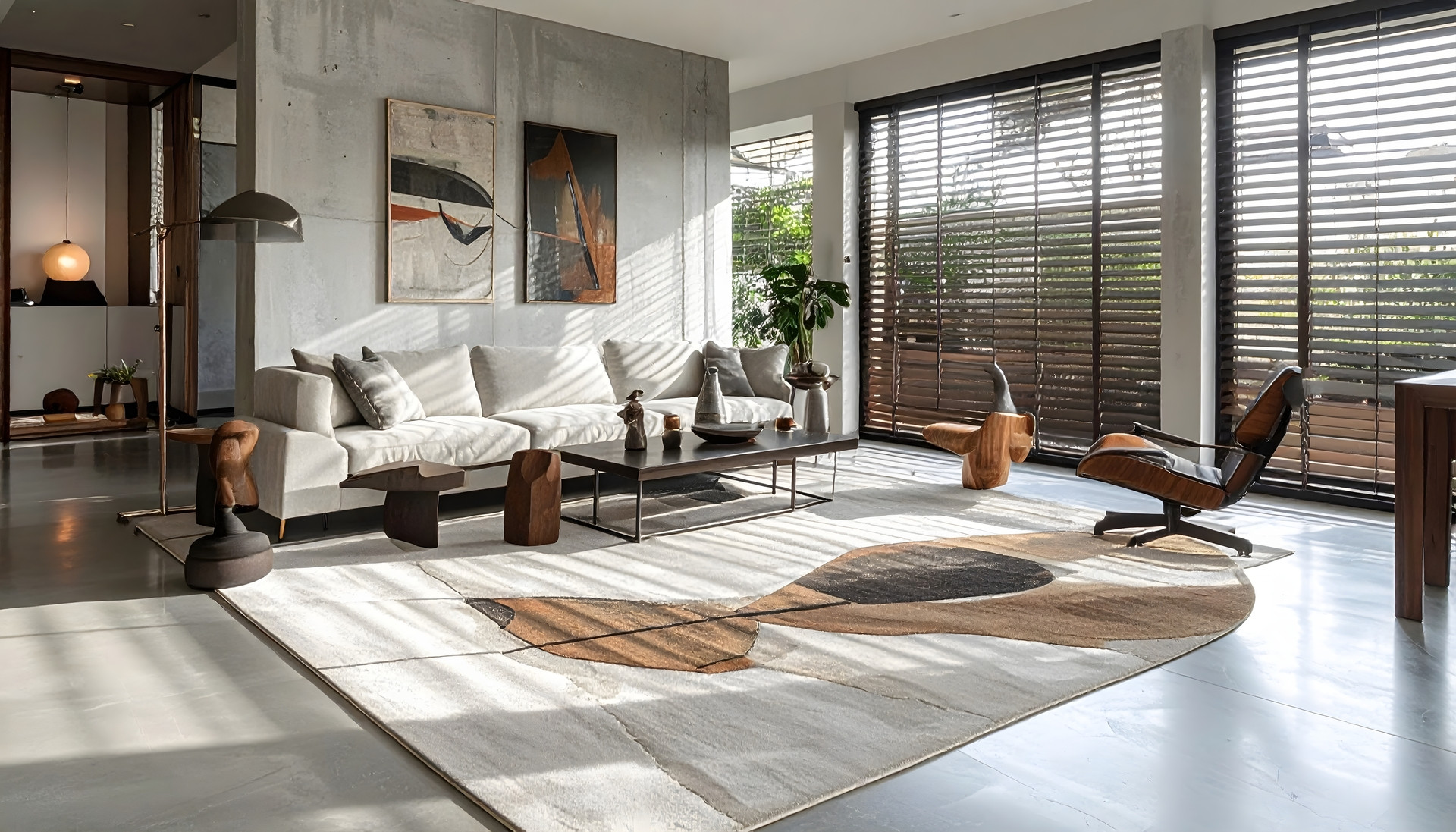
Radiant heat has become one of the most beloved home upgrades in Western New York, and honestly, it makes sense. When a Buffalo January is doing its worst outside, stepping onto a warm floor instead of a cold one feels less like a luxury and more like a necessity. Homes in Williamsville, Orchard Park, and Tonawanda have been adding in-floor heating systems for years, and the comfort payoff is real.
But here’s the conversation that doesn’t happen often enough at the showroom: once you have radiant heat, what you put on top of that floor matters just as much as the system underneath it. The wrong rug fiber can trap heat, block efficiency, or worse, degrade over time from the sustained warmth cycling beneath it. The right one lets the heat rise naturally, keeps your floor performing the way it was designed to, and still delivers the softness and style you’re looking for.
So which fibers actually work? Here’s what our flooring experts recommend for WNY homes running radiant heat systems.
The Golden Rule: Low Pile, Low Resistance
Before getting into specific fibers, there’s one principle worth understanding. Radiant heat works by warming the floor surface and letting that warmth rise into the room. A thick, dense rug acts like a blanket over the system, forcing it to work harder to push heat through. Thinner, lower-pile rugs allow heat to transfer more freely, keeping your system efficient and your energy bills in check. Whatever fiber you choose, keep pile height modest. This is not the situation for a three-inch shag.
Cotton: The Underrated Workhorse
Cotton rugs are one of the most radiant-heat-friendly options available, and they tend to fly under the radar. They’re flat-woven or low-pile by nature, they breathe well, and they don’t hold heat in ways that stress the fiber or the floor beneath. For kitchens, mudrooms, or casual living spaces in homes around Niagara Falls or Jamestown, a durable cotton rug handles temperature fluctuation without complaint. It’s also one of the easiest fibers to clean, which matters when salt-covered boots are part of your daily winter routine.
Wool: Yes, But with Conditions
Wool has a well-earned reputation as a premium rug fiber, and it performs beautifully in radiant heat settings provided you choose wisely. Wool is naturally breathable and regulates temperature surprisingly well, making it more radiant-heat compatible than many people expect. The caveat is construction: a tightly woven, low-pile wool rug works well, while a thick, heavily tufted wool rug can act as that unwanted heat barrier. When browsing area rugs with radiant heat in mind, look at the construction as carefully as the fiber. A hand-knotted or flatweave wool rug is a very different animal than a plush tufted version.
Synthetic Fibers: Know What You’re Buying
Polypropylene and nylon are common in many of today’s most popular rug styles, and they bring genuine advantages: stain resistance, affordability, and a wide range of designs. With radiant heat, though, they require a little more consideration.
Polypropylene holds up reasonably well under consistent low-level warmth, but it does not love prolonged exposure to high temperatures. If your radiant system runs on the warmer side, a polypropylene rug placed directly over it for years can begin to break down or off-gas over time. Nylon is more heat-tolerant and tends to be the safer synthetic choice for radiant heat applications. Either way, check your system’s operating temperature and compare it against the manufacturer’s rug guidelines before committing.
What to Skip Entirely
Jute and sisal look beautiful and photograph well in design blogs, but they are not well-suited for radiant heat environments. Both natural fibers are sensitive to moisture and heat cycling, and a radiant floor that warms and cools repeatedly throughout the day can cause jute and sisal rugs to dry out, crack, and deteriorate faster than you’d expect. If you love the natural, earthy look these fibers deliver, our area rugs guide can help you find alternatives that achieve a similar aesthetic without the compatibility headaches.
One More Thing: The Rug Pad Matters Too
A rug pad in a radiant heat home is not optional. Beyond keeping the rug from sliding, it plays a direct role in how heat moves through the system. Choose a thin, felt-based pad rather than a thick rubber or foam version. Rubber pads in particular can trap heat against the floor surface, creating uneven temperature distribution and potentially damaging both the pad and the flooring beneath it. Thin felt breathes well, protects your floor, and keeps everything performing the way it should.
The right rug and the right fiber turn your radiant heat investment into exactly what it was meant to be: a home that feels warm from the floor up, even when Western New York is doing its worst outside.
Visit Custom Carpet Centers in Orchard Park, Williamsville, Tonawanda, Niagara Falls, or Jamestown to explore our full selection of area rugs in Western New York — or let us come to you with our shop at home service in the Olean area.