


Carpet Pile Crush Recovery in High-Traffic Family Rooms
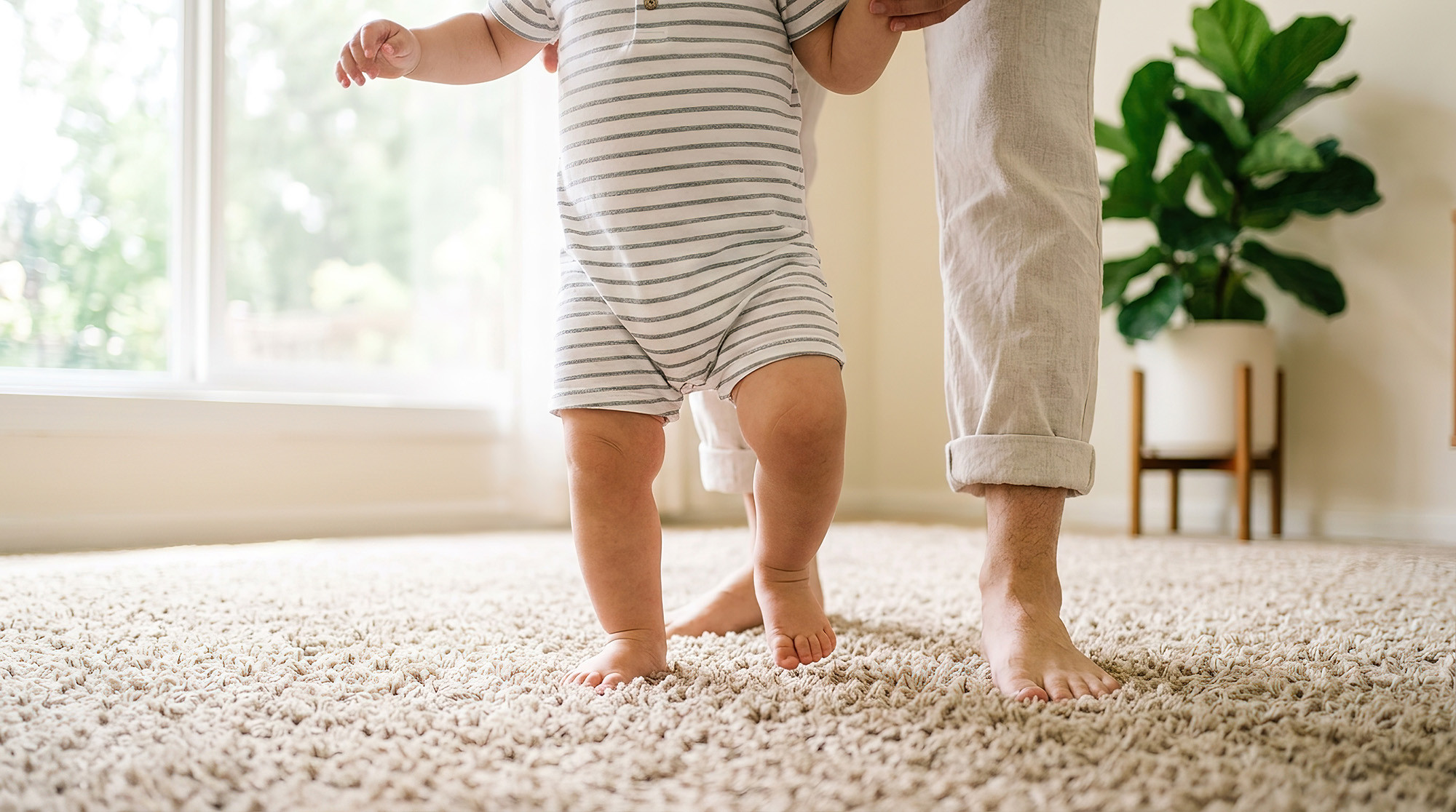
When your family room serves as the central gathering place of your home, your carpet endures continuous daily activity. You might begin to notice flattened pathways running between the sofa and the entryway, or stubborn indentations left behind after you rearrange heavy furniture. This condition is known as carpet pile crush. While crushed carpet can make a room look fatigued, it does not necessarily mean your flooring has reached the end of its lifespan. With the right restoration techniques, an understanding of carpet construction, and smart preventative care, you can lift those matted fibers and restore the warmth, texture, and comfort underfoot that you love.
Understanding Carpet Pile Crush: Mechanical Compaction vs. Wear
Carpet pile crush occurs when sustained downward pressure or repeated footfalls compress carpet tufts, forcing upright fibers to bend sideways and compact against the backing.
It is helpful to distinguish between true pile crushing and actual fiber loss. Fiber loss happens when abrasive dirt physically shears fibers away, resulting in bald spots that cannot be revived. Pile crush, by contrast, is a mechanical deformation where the fibers are simply pinned down. In your high-traffic family room, you will typically encounter two distinct forms of crushing:
- Static Load Indentations: Deep divots caused by heavy objects resting in one spot for months, such as sectional sofas, entertainment consoles, or coffee tables.
- Dynamic Traffic Compaction: Widespread fiber flattening along primary walking paths where you, your children, and your pets step repeatedly throughout the day.
You may also notice an optical effect known as shading or pooling. When upright fibers are crushed in different directions, they reflect ambient room light unevenly. One side of a walking lane may appear darker and the other side lighter, leading you to believe the carpet is permanently stained or worn out when it is merely bent.
Why Western New York Living Accelerates Carpet Matting
Living in Western New York brings unique seasonal demands that directly impact the longevity and appearance of your floors. During our long, chilly winter months, you and your household spend significantly more time indoors gathered around the television or fireplace. Whether you live in a bustling neighborhood in Buffalo, a suburban layout in Williamsville, or a scenic lot in Orchard Park, your family room carpet absorbs thousands of footsteps each week during the cold season.
Winter in Western New York also introduces heavy moisture, slush, and abrasive grit into your home. Even when you slip off your winter boots in the mudroom or entryway, fine particles of road salt, melted slush, and sand inevitably migrate onto socks, bare feet, and pet paws. When this microscopic grit settles deep into your carpet pile, every step you take grinds those sharp particles against the compressed fibers. In communities from Tonawanda and Niagara Falls down through Jamestown and Olean, NY, this winter grit accelerates the speed at which walking paths become visibly matted, dull, and compressed.
Carpet Construction and Fiber Resilience: How Yarn Type Dictates Recovery
How quickly your carpet bounces back from heavy traffic depends largely on the fiber material woven into its construction, as well as how tightly the yarn is twisted. When we help you explore soft-surface options, we always examine how different yarn chemistries handle repeated weight.
Nylon: The Industry Standard for Elastic Memory
Nylon remains the benchmark for fiber memory and recovery. It contains a natural hydrogen bond in its molecular structure that allows it to spring back into shape when exposed to moisture and heat. Premium nylon styles, such as those found in Pet Perfect collections by Shaw or tailored designs from Anderson Tuftex, bounce back from high foot traffic faster than almost any other synthetic option. If you have active kids and large pets, nylon provides exceptional resistance to permanent matting.
Triexta and Polyester: Softness and Stain Defense
Polyester offers incredible color clarity, plush softness, and built-in stain resistance. However, polyester fibers have slightly less tensile elasticity than nylon, meaning they require more proactive maintenance to prevent permanent traffic patterns in busy rooms. Triexta, featured prominently in Mohawk carpets, bridges this gap effectively. Triexta pairs permanent stain resistance with improved elasticity, helping your family room maintain its plush texture under steady, everyday foot traffic.
Wool: Inherent Spiral Architecture
If you prefer natural luxury, wool carpet from heritage mills like Fabrica provides natural resistance to crushing. Wool fibers possess an inherent microscopic coil structure that acts like a tiny spring. When you step on wool, the fiber compresses temporarily and then naturally pushes back up, making it a timeless, durable choice for sophisticated living rooms.
Yarn Twist, Tuft Density, and Pile Height
Beyond fiber type, the mechanical construction of your carpet determines how well it resists pile crush. Carpet yarn is spun into strands that are twisted together. The number of times the yarn turns per inch is called the twist level, or turns per inch (TPI). Carpets with a high twist level of six or more turns per inch resist flattening far better than looser yarns because the tight coil resists bending. Additionally, high-density construction, where tufts are packed closely together, creates mutual support: each tuft leans against its neighbor, preventing the whole surface from matting down under foot pressure.
Step-by-Step Methods to Restore Crushed Carpet Fibers
If your family room carpet is currently looking flat or showing deep furniture divots, you can use several safe, reliable techniques to revive the pile.
The Ice Cube Method for Deep Furniture Divots
- Place an ice cube in the center of the crushed depression. For larger divots, use two or three cubes.
- Allow the ice to melt completely at room temperature, which slowly saturates the compressed fibers without soaking the primary carpet backing.
- Blot away excess water using a clean, dry white towel until the area is just damp.
- Use the rounded edge of a spoon, a coin, or your fingers to gently lift and tease the fibers upward.
- Let the carpet dry thoroughly before placing any weight back on the spot.
The Damp Cloth and Steam Iron Technique for Traffic Paths
- Moisten a clean, lint-free white cotton towel with warm water and wring it out until it is damp, not dripping.
- Lay the damp towel flat over the crushed section of carpet.
- Set your household iron to a medium steam setting.
- Hover the iron gently across the surface of the damp cloth for 30 to 45 seconds, allowing the steam to penetrate deeply into the yarn. Never let the bare iron touch the carpet fibers directly, as synthetic fibers like nylon and polyester will melt under direct heat.
- Remove the towel and immediately brush the fibers upward using a carpet rake, a stiff-bristled nylon brush, or your fingers.
Grooming with a Specialty Carpet Rake
A carpet rake is an inexpensive, highly effective tool for keeping high-pile and cut-pile carpets fluffy. By gently pulling the rake toward you across your traffic lanes, you untangle matted yarn tufts, release trapped pet hair, and lift compressed fibers back to their full height. Using a carpet rake before you vacuum helps loosen embedded soil for deeper cleaning.
Directional Vacuuming with Proper Beater Bar Adjustment
Vacuuming does more than remove dust; it physically lifts your carpet pile when done correctly. Make sure your vacuum beater bar is adjusted to the appropriate pile height. If the head is set too low, it can pull and fray your yarn; if it is set too high, it fails to agitate the fibers. Run your vacuum slowly in overlapping, multi-directional passes. Vacuuming in a north-south pattern followed by an east-west pattern prevents the tufts from falling permanently in one direction.
The Hidden Foundation: Why Your Carpet Cushion Matters
When you walk across your floor, your carpet pad absorbs the majority of the impact force. If your carpet is installed over an inadequate, low-density pad, the carpet backing and surface fibers take the brunt of every step, leading to rapid, irreversible crushing.
In a heavily used family space, avoid overly thick, squishy pads that exceed 7/16 of an inch. While an excessively thick cushion might feel soft initially, it allows too much vertical movement, which stretches the carpet backing and accelerates fiber breakdown. Instead, look for a high-density cushion, such as an 8-pound or 10-pound rebond pad or specialized memory foam pad. A dense cushion acts as a firm shock absorber, protecting the yarn tufts and helping them maintain their original loft for years.
Proactive Habits to Prevent Premature Matting
Reviving flattened fibers is helpful, but preventing severe crush before it starts will extend the beauty of your room for years. You can protect your family room flooring with a few simple adjustments:
- Place Strategic Runner Rugs: Lay decorative runners or accent rugs over primary walking paths, such as the lane between your kitchen and family room sofa. This absorbs the brunt of daily steps while letting your base carpet show around the edges.
- Use Furniture Coasters: Place wide, weight-distributing furniture cups under the feet of heavy sofas, armchairs, and tables to disperse the load across a wider surface area.
- Shift Furniture Layouts Periodically: Shifting your sectional or coffee table by a few inches once or twice a year alters the walking pattern, giving compressed areas time to recover naturally.
- Implement a Barefoot or Socks-Only Policy: Outdoor shoes concentrate weight on small tread areas and grind grit into the fibers. Soft socks or slippers distribute your weight more evenly and keep abrasive outdoor dirt off your floors.
When Is Crushed Carpet Beyond Recovery?
While proper maintenance and steam recovery can work wonders, carpet fibers that have experienced years of severe crushing, backed by broken latex adhesives or split yarn tips, will eventually lose their ability to rebound. If your carpet remains visibly matted even after steam treatments, or if the backing feels brittle and crunches underfoot, it is time to explore a fresh, resilient update.
Refresh Your Family Room Flooring with Custom Carpet Centers
At Custom Carpet Centers, our team is here to guide you through the latest crush-resistant carpets, premium high-density pads, and pet-friendly styles designed specifically to withstand the demands of active family life. We take the guesswork out of finding the right fiber, twist level, and cushion combination for your home.
Ready to bring new comfort, style, and long-lasting resilience to your family room? Schedule an in-store appointment at any of our showrooms, or book a convenient Shop at Home consultation to have our design specialists bring full-size samples straight to your door:
- Orchard Park, NY
- Williamsville, NY
- Tonawanda, NY
- Niagara Falls, NY
- Olean, NY – Shop at Home
- Jamestown, NY
Whether you want to compare crush-resistant nylon, plush pet-friendly styles, or resilient carpet cushion in person, schedule an in-store appointment at any of our showrooms or book a shop-at-home consultation today anywhere in Buffalo, Orchard Park, Williamsville, Tonawanda, Niagara Falls, Jamestown, Olean, and all of Western New York.