

What SPC and WPC Mean on a Luxury Vinyl Core Label
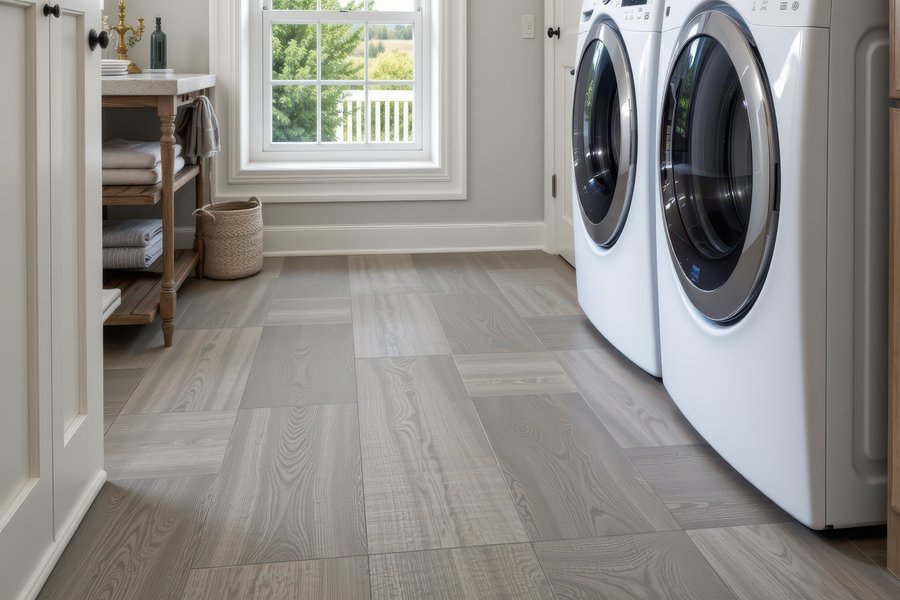
Walk into any flooring showroom shopping for luxury vinyl and you will eventually flip a plank over and notice a small label packed with abbreviations. Two of them, SPC and WPC, show up again and again, and they tend to leave people guessing. The good news is that once you know what those letters mean, the whole category suddenly makes a lot more sense.
Both terms describe the core, which is the thick middle layer that gives a plank its strength and stability. That core is the heart of any waterproof rigid vinyl floor, and choosing between the two comes down to how a room is used and how a floor should feel underfoot. Understanding the difference helps you match the right product to the right space the first time.
What SPC And WPC Actually Stand For
SPC stands for Stone Plastic Composite, sometimes called Stone Polymer Composite. The core is made from a blend of limestone powder and stabilizers, which creates an incredibly dense and rigid plank. That density is exactly why people reach for it in busy households and high-traffic rooms.
WPC stands for Wood Plastic Composite, and the recipe swaps in a wood-flour and foaming-agent blend. The result is a core that is a little thicker and noticeably softer, with a warmer, more cushioned feel when you walk on it. Both styles sit comfortably within the world of luxury vinyl, and both are built to handle moisture without flinching.
How The Cores Feel And Perform Differently
The easiest way to picture the contrast is to imagine stepping onto each one. An SPC floor feels firm and solid, almost like a tile, because the stone-based core resists dents and stays stable when temperatures shift. It is a wonderful match for kitchens, entryways, and rooms where furniture and foot traffic never seem to stop.
A WPC floor, by comparison, feels softer and quieter beneath your feet. That gentle give makes it inviting in bedrooms, living rooms, and spaces where comfort matters most. Neither core is better than the other in every situation, they simply shine in different rooms.
Why Both Belong Under The Waterproof Umbrella
Here is where the labels connect to something many shoppers already know they want. Both SPC and WPC are engineered to be fully waterproof, which is why they often appear alongside the broader category of waterproof flooring. Spills, splashes, and humid afternoons simply do not threaten the core the way they would threaten a traditional hardwood plank.
That waterproof quality is what makes rigid vinyl so popular for real, everyday life. Pets, kids, and the occasional overflowing sink all become much less stressful when the floor can take it in stride.
Reading The Rest Of The Label With Confidence
Once SPC and WPC make sense, the other numbers on the label start to feel friendly rather than intimidating. The wear layer, usually measured in mils, tells you how much protection sits on top of the design, and a thicker wear layer holds up better against scratches and scuffs. You will also see overall thickness and attached underlayment notes, both of which affect comfort and sound.
When you are ready to compare real samples side by side, it helps to browse luxury vinyl options in person and feel those core differences for yourself. A label can tell you a lot, but nothing beats standing on a plank and deciding which one feels like home.
Talk To Our Team About Your Next Floor
We at Custom Carpet Centers love helping families across Buffalo, Niagara Falls, and all of Western New York find the rigid vinyl floor that fits their rooms and their lives. Whether you lean toward the firm durability of SPC or the cozy comfort of WPC, our flooring experts will walk you through every option and back it with dependable flooring installation. Reach out today and let us help you choose with confidence.