

Engineered Hardwood vs Solid Hardwood Resale Value Comparison in 2026
Hardwood flooring continues to be one of the most influential upgrades when it comes to home value. In 2026, buyers remain highly attentive to finishes, durability, and long-term maintenance expectations. Among the most common questions homeowners ask before renovating is whether engineered hardwood or solid hardwood will deliver stronger resale value.
The answer is more nuanced than it used to be. Advances in manufacturing, shifting buyer expectations, and climate considerations have changed the conversation. A side-by-side comparison reveals that both options can positively impact resale — but in different ways.
The core structural difference that buyers may not see
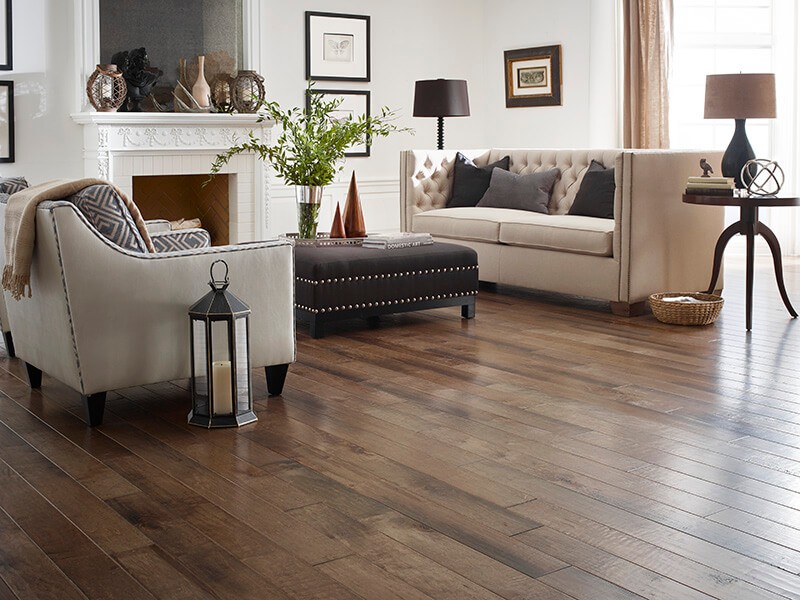
At a glance, engineered hardwood and solid hardwood often look nearly identical. The difference lies beneath the surface.
Solid hardwood is milled from a single piece of lumber. It can be sanded and refinished multiple times over decades, which contributes to its long-standing reputation for longevity.
Engineered hardwood features a real hardwood veneer layered over a stable plywood or composite core. Modern engineered planks can offer thick wear layers and impressive structural integrity, often rivaling solid wood in lifespan.
In 2026, many buyers are less focused on the construction method and more focused on performance, aesthetics, and condition. The visible appearance and overall home presentation often carry more weight than the product category itself.
Buyer perception in today’s housing market
Perception plays a critical role in resale value. For decades, solid hardwood held a prestige advantage. However, the 2026 market shows a shift in mindset.
Solid hardwood and traditional appeal
Solid hardwood still carries strong brand recognition. Buyers often associate it with:
- Long-term durability
- Historical homes
- Premium craftsmanship
- Multiple refinishing opportunities
In older neighborhoods or luxury custom homes, solid hardwood can support slightly stronger price positioning, especially when original planks have been well maintained.
Engineered hardwood and modern practicality
Engineered hardwood has gained credibility. High-quality products now feature:
- Wide planks
- Matte, wire-brushed, and low-gloss finishes
- Enhanced moisture resistance
- Greater dimensional stability
In markets where humidity fluctuations are common, engineered hardwood may actually be viewed as the smarter investment. Buyers appreciate floors that are less prone to cupping or seasonal movement.
The resale difference between the two is narrowing, particularly when the engineered product includes a thick wear layer and professional installation.
Performance and long-term value impact
Resale value is influenced by how flooring performs over time.
Climate stability matters more in 2026
As buyers become more educated, climate suitability is part of the equation. Engineered hardwood’s layered construction helps reduce expansion and contraction. In areas with humidity swings or finished basements, that stability can prevent visible gaps or warping.
Solid hardwood, while durable, is more sensitive to environmental changes. If improperly maintained, this can affect appearance over time.
A well-performing floor protects resale value by avoiding visible issues during inspections or showings.
Refinishing potential and lifecycle considerations
Solid hardwood’s biggest resale advantage remains its ability to be refinished multiple times. Buyers who plan long-term ownership often appreciate that flexibility.
However, many modern engineered hardwood products now allow one or two refinishes depending on wear layer thickness. For the average homeowner — who may sell within 7 to 12 years — that lifespan is typically sufficient.
In practical terms, resale value often depends more on current condition than theoretical refinishing capacity decades down the road.
Installation quality often outweighs material type
In 2026, appraisers and buyers alike respond strongly to visible craftsmanship.
Poor installation — uneven transitions, hollow spots, gaps — can undermine value regardless of whether the material is solid or engineered. On the other hand, a flawlessly installed engineered hardwood floor with premium finishes can outperform an average solid hardwood installation in perceived value.
Professional installation protects alignment, subfloor preparation, and moisture control — all of which influence long-term performance and buyer confidence.
Design trends influencing resale
Wide planks, natural tones, and low-sheen finishes continue to dominate in 2026. Engineered hardwood often leads in these design-forward categories because of manufacturing flexibility.
Solid hardwood traditionally comes in narrower formats, although wider options are increasingly available.
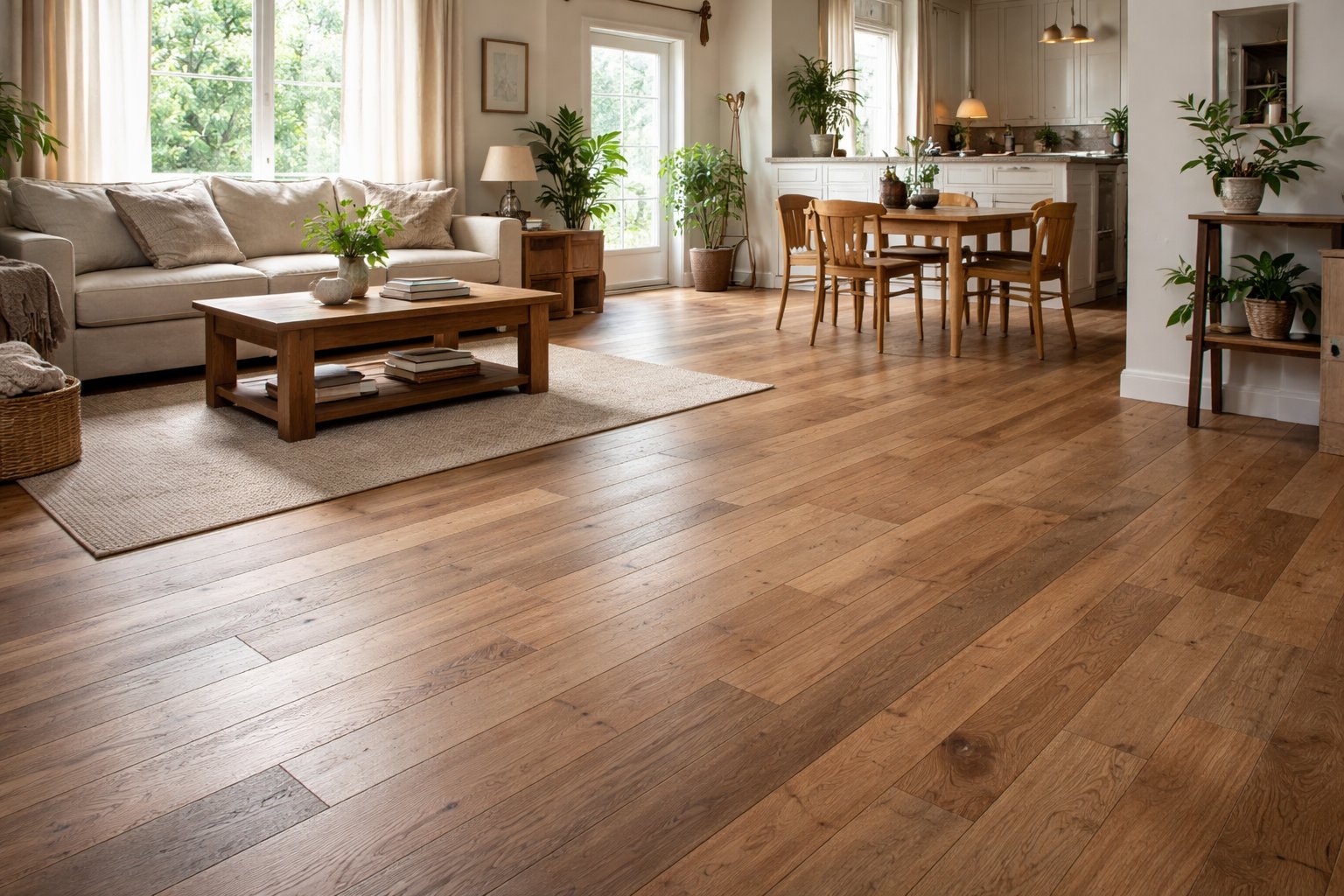
Homes that align with current design preferences tend to photograph better in listings and generate stronger buyer interest. Flooring that complements open layouts and modern finishes can indirectly increase resale competitiveness.
Appraisal and market realities
From an appraisal standpoint, both engineered and solid hardwood are typically categorized under “hardwood flooring” if the product features real wood veneer. The valuation difference is often minimal unless the home is in a high-end luxury tier where solid hardwood is expected.
In mid-range markets, condition, square footage, and overall presentation matter more than whether the floor is solid or engineered.
In luxury custom builds, solid hardwood may provide a slight prestige edge — particularly in historic or architectural homes.
The bottom-line decision for resale-focused homeowners
Solid hardwood advantages for resale:
- Long-standing reputation
- Multiple refinishing opportunities
- Strong appeal in traditional and luxury markets
Engineered hardwood advantages for resale:
- Greater moisture stability
- Wider design flexibility
- Competitive lifespan
- Growing buyer acceptance
In 2026, the resale gap between engineered and solid hardwood is narrower than ever. The right choice depends on climate, home style, budget, and expected ownership timeline.